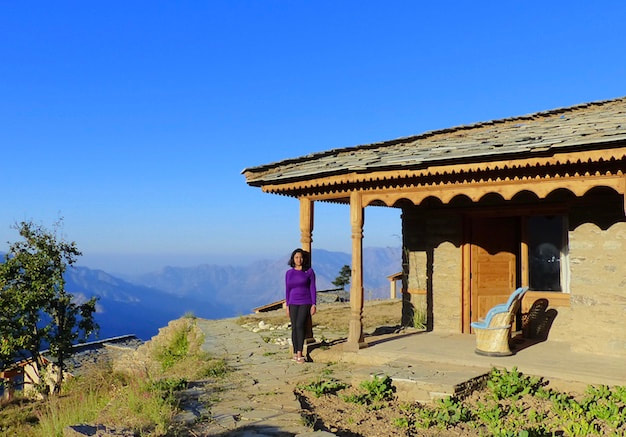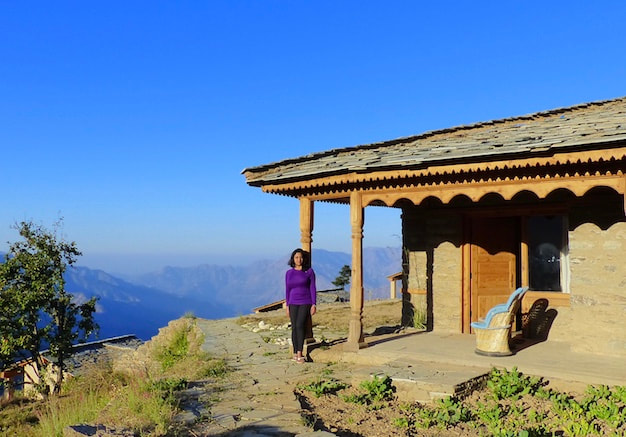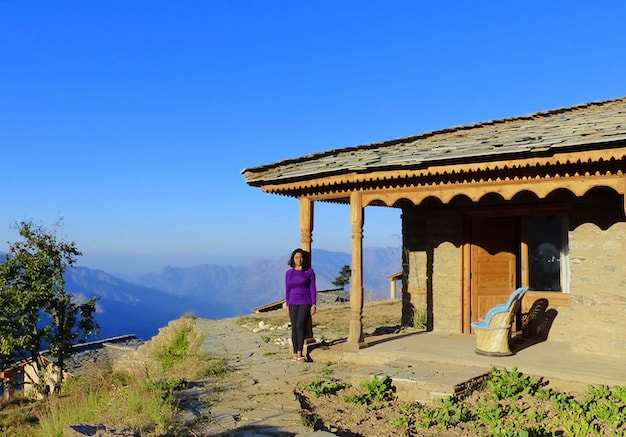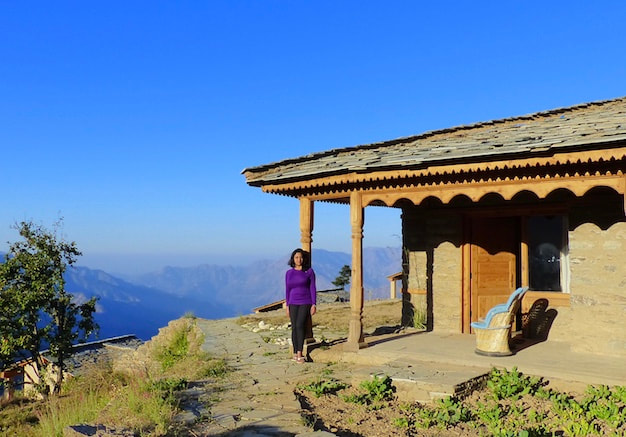
Best Time to Visit Hill Stations in India
Complete guide to the best time to visit hill stations across India. Learn about seasonal weather patterns, peak seasons, and travel tips for popular mountain destinations.
Planning Your Hill Station Getaway
India is blessed with numerous beautiful hill stations that offer respite from the heat and hustle of city life. Knowing the best time to visit these destinations can make your trip more enjoyable and memorable.
Understanding Hill Station Seasons
Hill stations in India experience different weather patterns based on their location and altitude. Generally, they have three main seasons: summer (March to June), monsoon (July to September), and winter (October to February).
Northern Hill Stations
Himachal Pradesh
- Shimla: Best time - March to June and September to November
- Manali: Best time - October to June (avoid monsoon)
- Dharamshala: Best time - March to June and September to November
- Dalhousie: Best time - March to June and September to November
Uttarakhand
- Mussoorie: Best time - April to June and September to November
- Nainital: Best time - March to June and September to November
- Almora: Best time - March to June and September to November
- Ranikhet: Best time - March to June and September to November
Eastern Hill Stations
West Bengal
- Darjeeling: Best time - March to May and September to November
- Kalimpong: Best time - March to May and October to December
Sikkim
- Gangtok: Best time - March to May and October to December
- Pelling: Best time - March to May and September to November
Southern Hill Stations
Tamil Nadu
- Ooty: Best time - April to June and September to November
- Kodaikanal: Best time - April to June and September to October
- Coonoor: Best time - October to May
Kerala
- Munnar: Best time - September to May
- Wayanad: Best time - October to May
Karnataka
- Coorg: Best time - October to May
- Chikmagalur: Best time - September to May
Seasonal Guide
Summer (March to June)
Summer is the peak season for most hill stations as people escape the heat of the plains. The weather is pleasant, and most activities are available.
- Perfect for sightseeing and outdoor activities
- Higher prices and crowds
- Book accommodations in advance
- Carry light woolens for evenings
Monsoon (July to September)
Monsoon brings lush greenery but also heavy rainfall. Some hill stations are best avoided during this time, while others offer a unique experience.
- Beautiful green landscapes
- Lower prices and fewer crowds
- Risk of landslides in some areas
- Limited outdoor activities
Winter (October to February)
Winter offers a different charm with snow in higher altitudes and pleasant weather in others. It's perfect for those who love cold weather.
- Snowfall in high-altitude destinations
- Clear skies and great visibility
- Carry heavy woolens
- Some roads may be closed due to snow
Tips for Planning Your Visit
- Check weather forecasts before booking
- Book accommodations well in advance during peak season
- Carry appropriate clothing for the season
- Be prepared for altitude sickness in high-altitude destinations
- Check road conditions, especially during monsoon and winter
- Carry necessary medications and first aid
Off-Season Travel Benefits
Traveling during off-season can have several advantages:
- Lower prices on accommodations and activities
- Fewer crowds and more peaceful experience
- Better availability of hotels and restaurants
- Unique seasonal experiences (monsoon greenery, winter snow)
Whether you prefer the pleasant summers, the lush monsoons, or the snowy winters, India's hill stations offer something special in every season. Plan your visit according to your preferences and get ready for an unforgettable mountain getaway!